| II. WHEN TO SEED SUNNY LAWNS
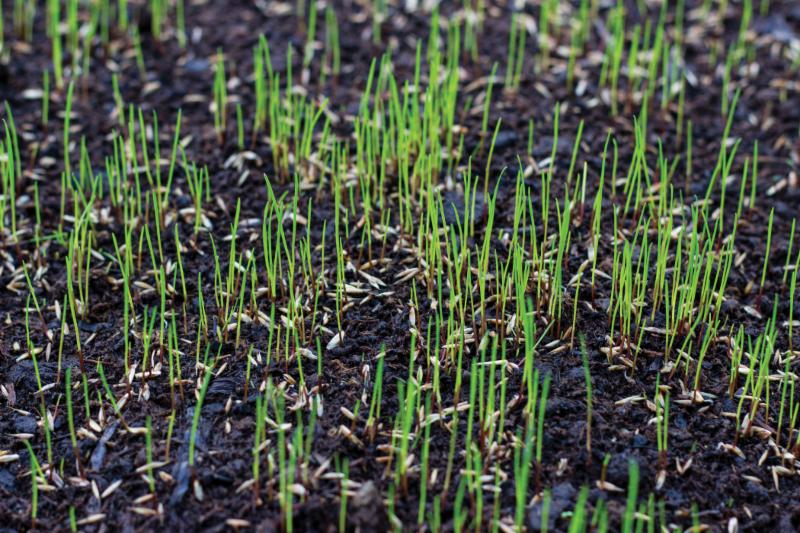
For MOST lawns with full sun or partial sun, the best time to seed is in SEPTEMBER ONLY
(Spring seeding is generally not recommended for sunny areas due to the risk of weeds and crabgrass).
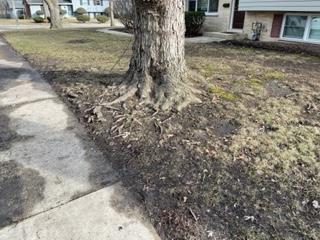
If you have bare, thin or dead areas or patches in sunny areas NOW, what should you do??
First, please know that it is still very early in the spring. In sunny areas, you may see full recovery with no seeding. No recovery OR seed germination will happen in the Spring until the soil warms up, so waiting to see if the lawn recovers in sunny areas (except for large areas – see below) is always a good idea.
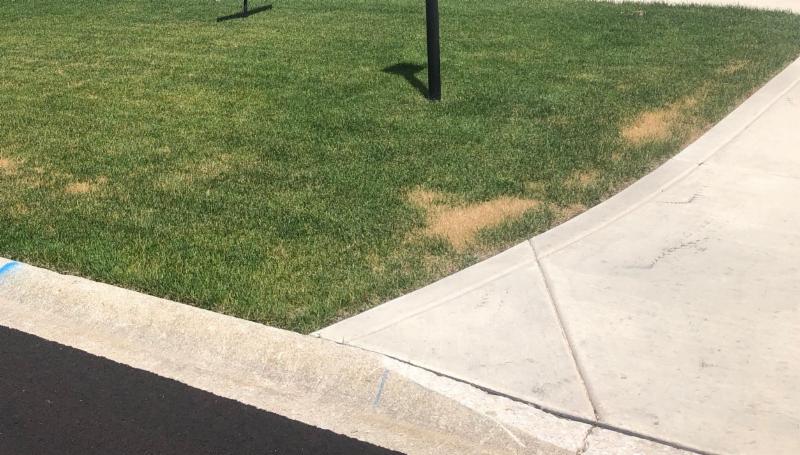
For Small patches, small bare areas or thin areas in sunny areas.
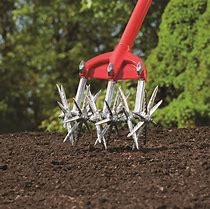
In early spring, do LIGHT raking to remove debris, leaves and dead clumps of grass and to get air circulation to the grass blades. This will encourage growth and recovery of the grass. Thin grass may fill in well during the Spring growth period with good watering, mowing and fertilization. Small bare areas (the size of a frisbee or smaller) may also fill in with good care.
For Large brown areas and dead turf in sunny areas.
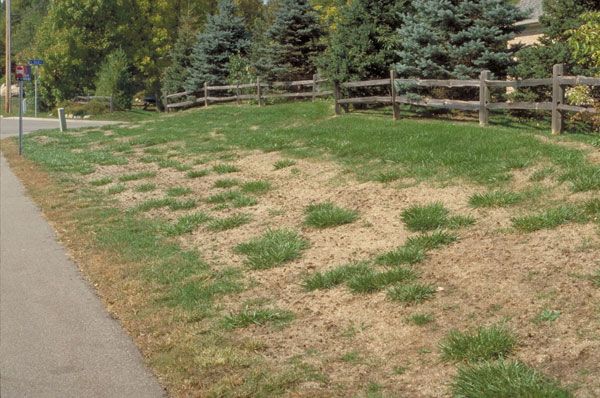
If you have large brown areas or large areas of dead turf, you may need to rake out or remove the dead turf and establish new grass by seeding or sod. I recommend waiting awhile to see if you get any recovery. Agressively raking out all the grass and roots too early may get rid of dormant grass that may have recovered and grown well this year!
For Large bare areas or large areas that do not recover in early spring.
If grass does not recover or you have only dirt, your options are: wait until fall to seed, seed now with the understanding that you may have crabgrass issues, or install sod. Here are details on each of these options.
- WAIT UNTIL FALL: If you will wait until fall to seed, make sure to apply pre-emergent and weed control in the area. Any bare area will be more prone to weeds and crabgrass.
- SPRING SEEDING: This option is not recommended. IF you choose to seed a sunny area in the Spring, you cannot apply standard crabgrass prevention (pre-emergent), so in most cases crabgrass will take over the area before the new baby grass and you will have crabgrass struggles most of the summer until it dies off in the fall leaving new bare areas. Standard pre-emergent prevents seed germination for 3-4 months. If it is applied, seeding will not be successful. (Some pre-emergent products say that they can be used for seeding. They contain Mesotrione which is a more selective pre-emergent. It will somewhat prevent crabgrass and somewhat allow seed germination. It is more expensive than other pre-emergents.)
- SOD: Sod can be installed once the sod farms start to cut sod in the spring. This is an option for bare areas. This will require twice daily watering for at least 4-6 weeks. Sod will be 2-4 times the cost of seeding.
|