Warm, humid summers and the mix of woodlands, wetlands, and greenways around Kalamazoo and Portage create ideal conditions for mosquitoes and ticks. If you’ve noticed more bites in your yard the last few summers, you’re not imagining it. Local health officials have tracked a real rise in tick-borne illness across the county, and mosquito populations follow the same wet-spring, humid-summer pattern that’s become the norm in southwest Michigan.
This guide covers what’s driving the increase, which pests to watch for, and how Lawn Doctor of Kalamazoo-Portage’s mosquito and tick control program can help keep your yard usable all season.
Why Mosquito and Tick Control Matters Here
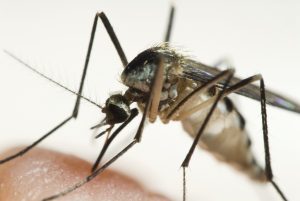 Kalamazoo County is seeing more than just bugs. It’s seeing more disease risk. County health officials reported that Lyme disease cases reached a record 222 in 2025, the highest total on record and triple the count from five years ago. A wetter spring has also been linked to larger mosquito populations capable of carrying a range of viruses.
The primary culprit behind Lyme disease is the blacklegged tick, also called the deer tick. It’s the most common tick-borne illness in Michigan, and county tick testing has found a meaningful share of collected ticks positive for the bacteria that causes it, plus at least one positive for the bacteria behind anaplasmosis. Michigan State University Extension has also noted that lone star ticks, once considered a southern species, have established populations in Berrien, Kalamazoo, and Ottawa counties, adding another biting pest for local homeowners to watch for.
This isn’t a distant, rural problem. It’s happening in the same neighborhoods, parks, and backyards where families spend their summers.
When Is Mosquito and Tick Season in Southwest Michigan?
nderstanding the local season helps you time treatment correctly.
– Mosquitoes: County vector surveillance runs from May through September, matching the stretch when activity is highest.
– Ticks: Blacklegged ticks are typically active from early May through November whenever temperatures stay above 40°F. Adults are most active in spring and fall, while nymphs (about the size of a poppy seed and easy to miss) are active throughout summer. Both stages can transmit disease.
– Late-season risk: Activity continues well into fall, often lasting until the first hard frost. A single warm October weekend can still mean real exposure risk.
A one-time spring treatment isn’t enough. Effective control needs to cover the full active season, not just the peak summer weeks.
Local Hot Spots Worth Extra Caution
Ticks favor shaded, brushy edges and tall grass, while mosquitoes breed anywhere water sits for more than a few days. In Kalamazoo-Portage, that includes trail-edge areas along the Kalamazoo River Valley Trail, shaded sections of Milham Park and Portage Creek greenways, wetland-adjacent spots near Celery Flats and the Al Sabo Land Preserve, backyards bordering woodlots or brush piles, and standing water in clogged gutters, birdbaths, or unused containers.
If your property backs up to a wooded or wetland area, or if kids and pets regularly play near tall grass or brush, your exposure risk is higher than the county average.
Prevention Steps You Can Take Now
Kalamazoo County health officials recommend a few core precautions for anyone spending time outdoors:
- Repellent and clothing: Use an EPA-registered DEET repellent on skin, and treat clothing with permethrin. Long sleeves, pants, and closed shoes further reduce tick contact.
- Tick checks: Check yourself, family, and pets after time outside, paying close attention to hairlines, behind ears, underarms, and waistbands.
- Yard maintenance: Keep grass trimmed, clear brush piles, and create a mulch or gravel barrier between lawn and wooded edges.
- Mosquito-proof your home: Repair window and door screens, and eliminate standing water weekly.
- Skip the DIY tick tests: The CDC cautions against at-home tick testing kits, since the labs used aren’t held to clinical standards. A positive doesn’t confirm infection, and a negative doesn’t rule it out. Monitor bites and talk to a doctor if symptoms appear.
These steps reduce risk, but they don’t eliminate the source. Repellent wears off, screens don’t stop every yard from being a breeding ground, and tick checks only catch bites after they’ve happened. Ongoing yard treatment addresses that gap.
How Lawn Doctor of Kalamazoo-Portage Prevents Mosquitoes and Ticks
Lawn Doctor’s mosquito and tick control is built on the **Yard Armour®️ program**, a three-part approach designed to knock down existing populations and keep them from coming back rather than a single spray-and-hope treatment.
Mosquito Control:
1. Prevention. A technician walks the property to spot breeding grounds, including clogged gutters, shaded low spots, dense shrubs, and overlooked standing water. Eliminating these often makes the biggest long-term difference.
2. Control. Treatments are applied as a perimeter barrier, targeting resting and breeding areas, to significantly reduce the active population rather than just knocking down visible adults.
3. Maintenance. Because mosquitoes migrate back in from neighboring yards, Lawn Doctor returns for regular seasonal applications and shares landscaping strategies to keep pressure low.
A Natural Mosquito Control option using organic, eco-friendly products is also available for homeowners who want a chemical-free approach.
Tick Control follows the same model: inspecting tall grass, brush lines, and wooded edges; applying barrier treatments focused on specific nesting and travel corridors rather than a blanket lawn spray; and regular reapplication through the season, paired with guidance on mowing height and fencing to make your landscaping less inviting to ticks.
Every yard is different, so treatment plans are tailored to your property and preferences rather than a one-size-fits-all schedule. Treatments are backed by Lawn Doctor’s Satisfaction Guarantee: if pests return between scheduled visits, a technician comes back at no additional charge.
Pressure changes block by block depending on tree cover, water sources, and neighboring properties, so this property-specific approach outperforms generic treatment schedules. It also matches the local season, from early spring through the first hard frost, rather than a single application.
Protecting Kids and Pets
Families with young children and pets face the highest exposure, since both spend more time close to the ground and in grass. Pets can also carry ticks into the house before anyone notices. Combining professional yard treatment with routine pet checks and vet-recommended tick prevention gives the most complete protection for the whole household.
Frequently Asked Questions
How often should treatments happen? Most professional programs apply treatments every three to four weeks throughout the active season, from spring through the first hard frost.
Are lone star ticks a concern here? Yes. They’ve established populations in Kalamazoo County, alongside the blacklegged ticks responsible for most local Lyme disease cases.
Can treatment eliminate mosquitoes and ticks completely? No treatment removes every pest permanently, since new ones can migrate in from neighboring properties. A consistent seasonal program significantly reduces populations and bite risk.
Is professional treatment safe for kids and pets? Reputable providers use products labeled for residential use and follow label reentry guidelines. Ask your provider for specifics on products used and precautions for your household.
Take the Next Step
Mosquito and tick pressure in Kalamazoo-Portage isn’t going away, and county data suggests it’s trending upward. A tailored yard treatment plan is one of the most effective ways to give your family and pets a yard they can actually enjoy from spring through fall.
Request a free mosquito and tick control quote from Lawn Doctor of Kalamazoo-Portage today and get a treatment plan built around your property.
*Sources: Kalamazoo County Health & Community Services Department; MDHHS; CDC; Michigan State University Extension.*