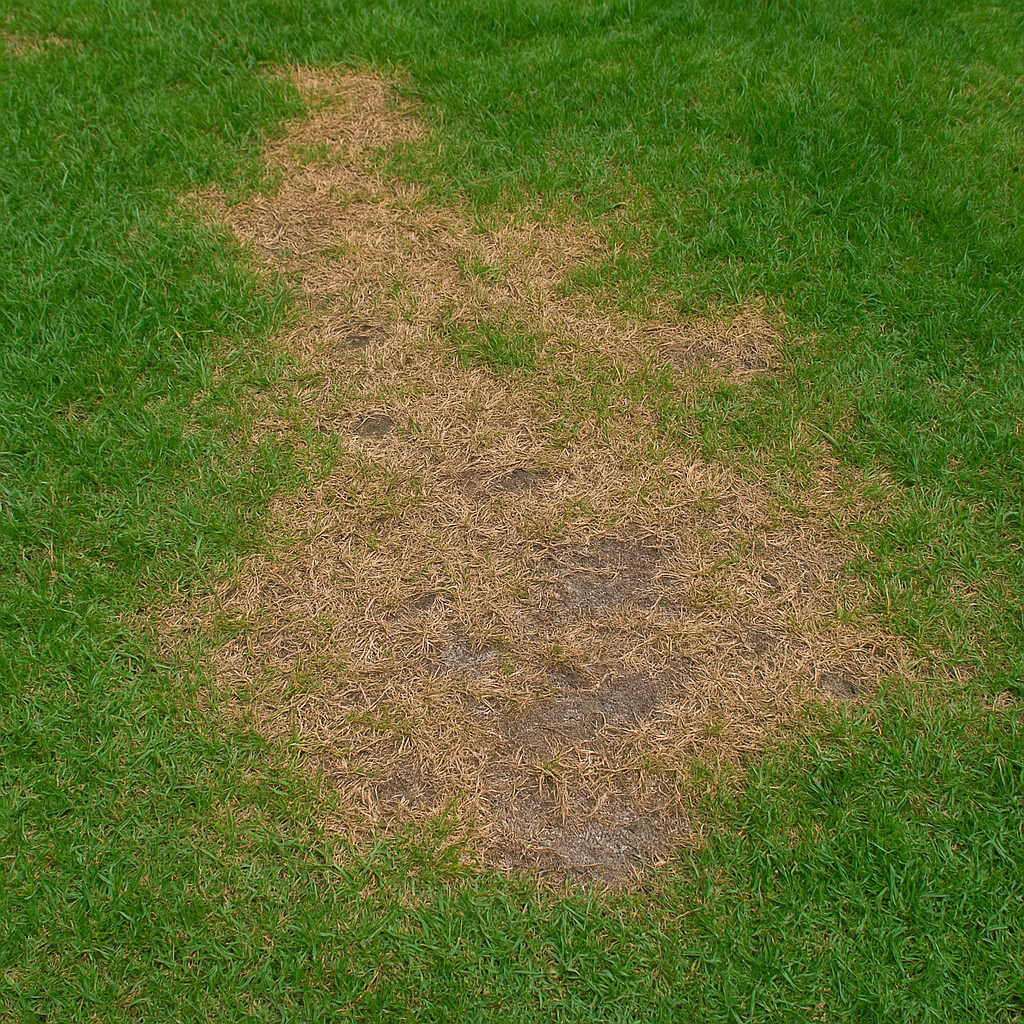
 As we enter the middle of the warm season, lawns in South Carolina begin showing signs of stress from insects, disease, and environmental changes. Homeowners often notice brown areas, thinning patches, or irregular dead spots, but aren’t sure what’s causing the damage.
At Lawn Doctor, the most common mid-season lawn issues we diagnose include grub activity, fungus outbreaks, and spring dieback—especially in centipede lawns.
Here’s what you need to know.
- Grub Activity: The Hidden Lawn Killers
Grubs are beetle larvae that feed on the roots of your grass. This root damage causes the turf to peel up like carpet, leaving large dead patches.
- Signs of grub damage:
- Soft, spongy turf
- Irregular brown patches
- Animals digging (raccoons, armadillos, birds)
- Sections of grass lifting easily from the soil
Preventing grubs early is far easier than repairing grub damage later. Lawn Doctor’s grub prevention treatments shield your lawn before the larvae become active.
- Fungus Problems: Brown Patch & Zoysia Patch
Warm, humid weather creates perfect conditions for lawn fungus. The most common fungal diseases in our area include:
- Brown Patch (Tall Fescue & Other Cool-Season Grasses)
- Circular brown rings
- Soft or rotting grass blades
- Zoysia Patch
- Orange or copper-colored ring edges
- Slow-spreading patches
- Take-All Root Rot (TARR)
- Widespread yellowing
- Grass that looks starved or weak
Once lawn fungus sets in, it spreads quickly. Professional fungicide treatments from Lawn Doctor stop the spread and protect new growth.
- Spring Dieback: The Centipede Lawn Problem
- Centipede grass is unique—it is sensitive to:
- Temperature swings
- Winter injury
- Nutrient imbalances
- Thatch buildup
As a result, many centipede lawns experience “spring dieback” each year, where grass fails to green up in certain areas.
How Lawn Doctor repairs spring dieback
Soil testing (to diagnose pH or nutrient issues)
Custom fertilization adjustments
Targeted seeding or plugging
Fungicide if root rot is present
Thatch reduction and aeration
Catching spring dieback early leads to faster recovery.
How to Protect Your Lawn This Season
Here’s what we recommend for all homeowners entering the mid-season stretch:
✔ Apply a preventive grub control treatment
✔ Monitor for early fungus symptoms
✔ Repair centipede dieback quickly
✔ Aerate compacted or thinning lawns
✔ Maintain proper watering
✔ Keep a consistent fertilization schedule
—
Lawn Doctor Can Diagnose & Fix Mid-Season Lawn Problems
Whether your yard is dealing with pests, disease, or environmental stress, Lawn Doctor has treatment plans that protect your turf and restore its health.
If you notice brown spots, thin areas, or spreading patches, don’t wait—mid-season issues get worse fast.
Contact Lawn Doctor today for a professional evaluation and treatment plan.