 As the growing season winds down and your last lawn treatment is complete, it might feel like lawn care is officially over—but a few smart habits through late fall and winter can make all the difference. Here are helpful tips to protect your turf, trees, and shrubs through the off-season and set your lawn up for long-term success.
Know What to Expect from Dormancy
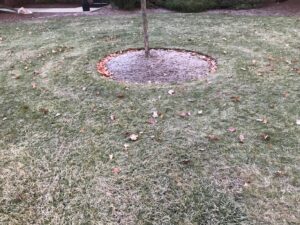
It’s natural for grass color to fade in colder months. Cool-season grasses like Kentucky bluegrass, perennial rye, and fescues may shift to a paler green or even brown as dormancy sets in. This color change is normal—it doesn’t mean the lawn is unhealthy. Roots remain active below the surface, especially if fall fertilization was applied. Come spring, that stored energy helps fuel quick green-up and growth.
Don’t Skip the Final Mow
It’s important to mow until the grass stops growing for the season. For your final cut, drop the mower height to around 2 to 2.5 inches. This shorter length helps reduce the chance of matting and snow mold while still protecting the crown of the plant. Be sure not to scalp the lawn—cut gradually and never remove more than one-third of the blade at once.
Avoid Walking on Frosty Grass
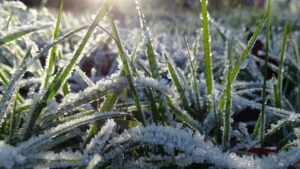
Once frost starts to settle in the mornings, stay off the lawn until temperatures rise. Walking on frozen turf can crush grass blades and cause visible footprints or long-lasting damage. Give your lawn a little space when it’s frozen, and it’ll reward you with healthier spring growth.
Clear Leaves to Prevent Spring Trouble
Leftover leaf piles block light and trap moisture—creating the perfect conditions for fungus and smothered turf. If leaves stay on the lawn too long, you may find dead patches or weak regrowth come spring. Make one last pass before winter or mulch them into fine pieces that break down naturally.
Late Fall Tree & Shrub Trimming Tips
Now’s the time to clean up dead or damaged branches from trees and shrubs. Just be cautious—not all plants respond well to heavy pruning this late in the year. Focus on removing broken limbs or crossing branches that may snap in winter weather. Save major reshaping for early spring when plants are fully dormant or just starting to leaf out.
 Reduce Lawn Traffic Until Spring
When the ground is frozen or wet, your lawn is more vulnerable to damage from walking, pets, or heavy objects. Avoid parking vehicles, storing materials, or piling snow on grass wherever possible. The more care you give it now, the fewer problems you’ll have to fix later.
The lawn might be quiet now, but every good season starts with smart off-season care. From frost avoidance to proper pruning and leaf cleanup, your efforts this fall and winter will pay off with a healthier, more vibrant yard in the months to come. If you’re ever unsure what to do next—or want a plan in place for spring—Lawn Doctor is here to help with local expertise and proven results.