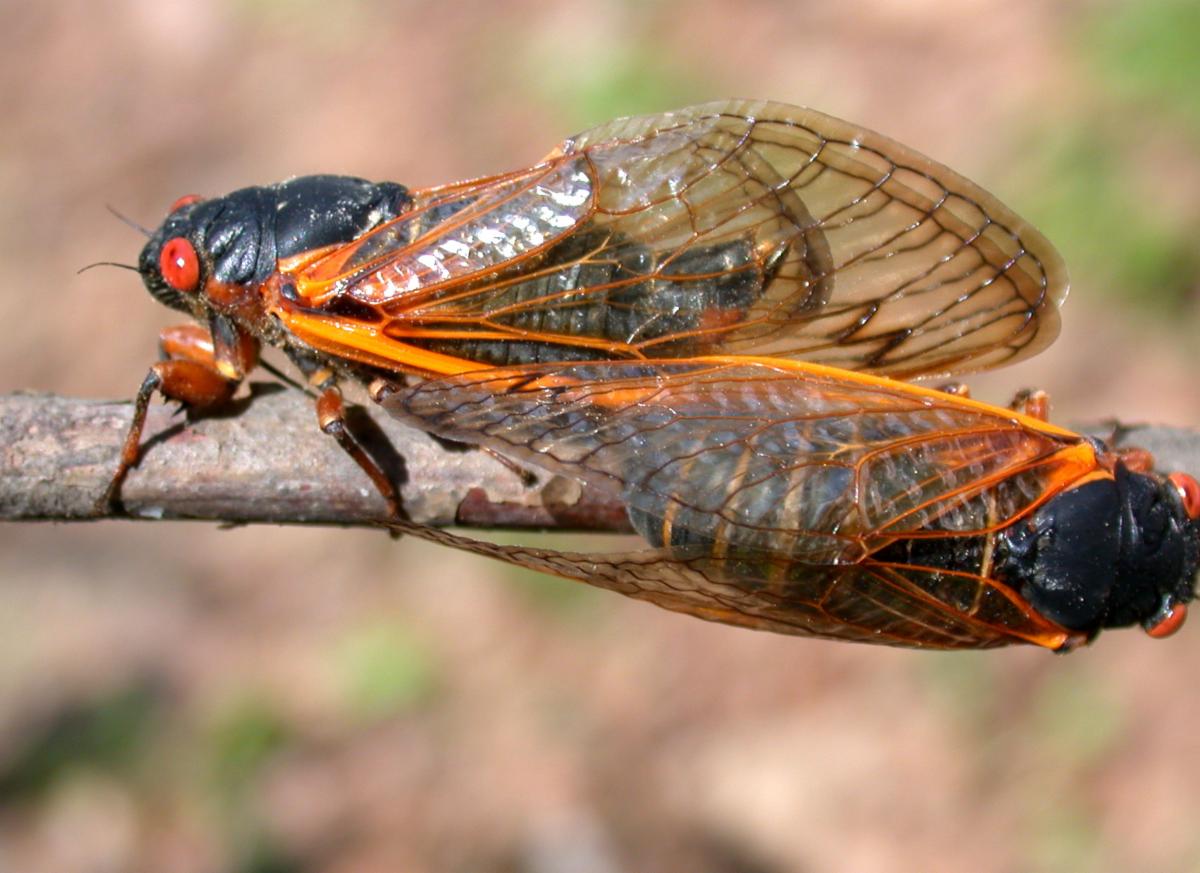
| The Cicadas are coming, the Cicadas are coming RUN FOR YOUR LIVES…okay seriously, please don’t!
You may have heard on the news that we have a rare occurrence of a “Double Brood” situation with cicadas and this is true, but it is going to be just fine. I repeat, we will be just fine, please do not panic!
What is the big concern?
There are at least 2 broods of cicadas coming up this year: Brood XIII (aka the 17-year cicada) and Brood XIX (aka 13-year cicada). Both coming up at the same time has not happened in 221 years or about the same time that Thomas Jefferson was president. This double whammy of cicadas means we will see them, hear them, and smash them on our sidewalks more than usual.
I swear I have seen cicadas in other years, is this right?
Well, yes, there are 2500 types+ of cicadas all on different cycles. We actually do see the “annual brood” every few years, but they are never really a big deal. It is just quite rare to have both big broods coming up in the same season.
Are they a safety concern?
Honestly, for humans, not really. Cicadas don’t bite. They don’t have stingers and generally are not interested in us. There is a chance that tons of dead cicadas on the sidewalks may cause you to slip and fall as they can get slick when smashed. Cyclists complain that they are not so smart so will fly right into them while riding, so we suggest eye protection (always) when riding.
What about my pets?
Technically safe, cicadas are loaded with protein and other things our pets love to eat, so they should be okay. BUT, AND THIS IS IMPORTANT, if your pet eats too many of them, the wings and exoskeletons (which are hard to digest) may give your pet an upset stomach… or some really rough poops.
What about my plants?
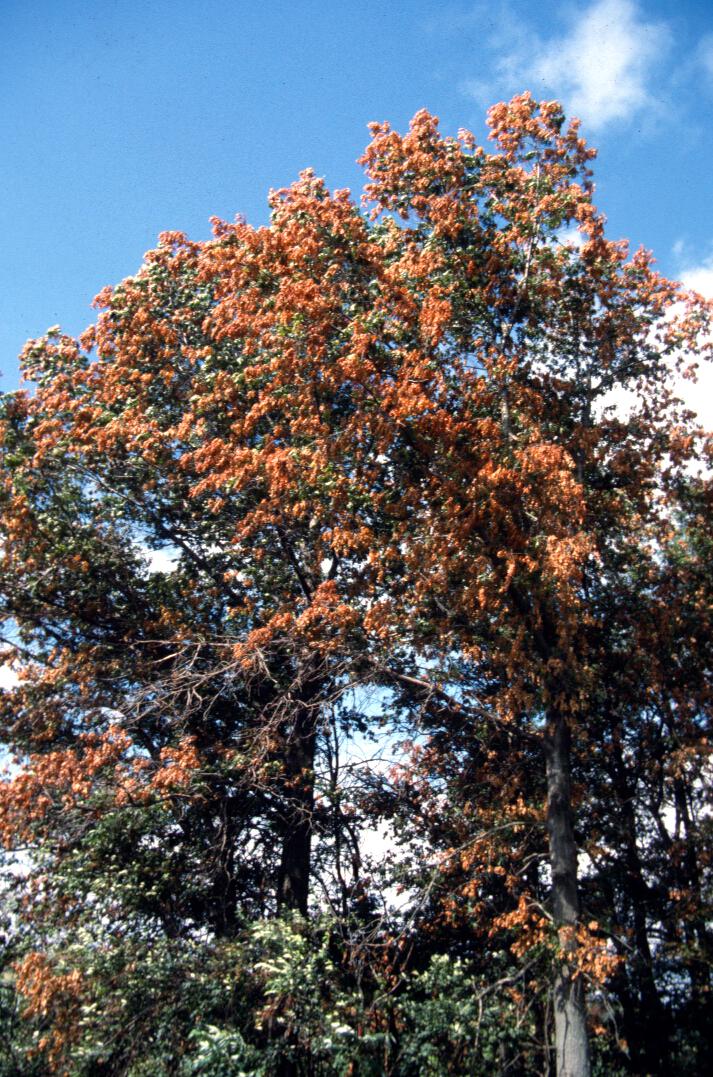
So here is the deal, if the tree or shrub is less than 10 feet tall AND less than 4 years old, you may want to get netting to protect the branches. If the shrub or tree is short, but older, it will be healthy enough to take some minimal damage and recover quickly. Female cicadas lay their eggs on smaller branches and mostly avoid larger trees. If you are really concerned, netting is about 95% effective at protecting trees and shrubs.
Is there something you can spray to keep them off my shrubs?
Yes and no. We have insecticides that we can spray on trees and shrubs to prevent or kill most cicadas, BUT, again this one is really important, insecticides have to be applied every 3-5 days from emergence until the broods taper off and will only minimize damage. You could be looking at a dozen or more applications because the broods will be coming out of the ground for 6-10 weeks. Worse, we will surely kill off all the “beneficial” insects during that time period which could lead to an infestation of mites (which are even harder to control). We generally DO NOT recommend insecticides for this. Sometimes the cure is worse than the disease.
I need to do some yard work, when is the best time to get out on my lawn to avoid them?
Morning hours tend to be the best. Cicadas can be active anytime, but they tend to be less active in the morning hours when it is cooler. Unfortunately, they do tend to be attracted to lawn mowers humming so you may want to wear a hat and eye protection while cutting the grass.
I read that I should avoid trimming my trees this spring, is this true and why?
So, this is more of a cosmetic thing. It is suggested to avoid trimming smaller trees this spring. Instead, wait to see if there is any damage from the cicadas and then trim out any dead or damaged branches later in the fall when it starts to cool off.
What about the noise, will I ever get to sleep?
Good news, cicadas tend to sing mostly in the afternoon and taper off during the night. If you go to bed an hour or two after sunset, they should be mostly quiet. They are quite loud and a large collection of them can push the sound to about 90 decibels which is as loud as a gas-powered leaf blower. Wild!
Are there any benefits to the cicadas?
Yes, and I’ll mention a couple. First, birds and other animals are going to switch from the normal things they feed on to cicadas. If you are a hunter and wild turkeys are on the list, they may be some of the fattest, healthiest wild turkeys you have ever hunted. Second, as the cicadas die and decompose in the lawn, they bring large amounts of nutrients back to the soil, most of which is great for our lawns and plantings, so feel free to chop them up with the mower. Finally, many of our “scavenging” or “grubbing” mammals will switch to cicadas this season. You may notice less, skunk, possum and raccoon digging in lawns, landscape, and trash cans as they have found a different food source to fatten up on. |