Crabgrass may begin as a few light-green plants along the edge of your driveway or sidewalk, but it can quickly become a much larger lawn problem.
It is an aggressive-growing weed that spreads rapidly, competes with healthy grass, and produces hundreds of seeds when it matures. Because crabgrass is usually lighter green than the surrounding turf, it can also stand out and make an otherwise healthy lawn look thin, uneven, and unmaintained.
In our experience, crabgrass control is not only about removing an unattractive weed. It is about preventing crabgrass from taking over areas where healthy grass should be growing.
Why Does Crabgrass Appear?
Crabgrass thrives when the soil becomes warm and there are open or weakened areas in the lawn. 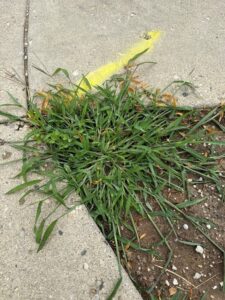
Some of the most common conditions that encourage crabgrass include:
- Thin or stressed turf
- Compacted soil
- Warm soil temperatures
- Spring rainfall
- Hot areas along driveways, sidewalks, and curbs
- Lawns that are mowed too short
- Drought-stressed grass
- Areas where the soil has recently been disturbed
Crabgrass seeds may already be present in the soil. Once they receive enough warmth, moisture, and sunlight, they have an opportunity to germinate.
This is why crabgrass commonly appears along pavement first. Concrete and asphalt absorb heat, warming the nearby soil faster than other parts of the lawn.
Does Pre-Emergent Guarantee a Crabgrass-Free Lawn?
One of the most common misunderstandings we hear is that applying a crabgrass pre-emergent guarantees there will be absolutely no crabgrass.
Unfortunately, lawn care does not always work that way.
Pre-emergent control can greatly reduce crabgrass pressure by creating a protective barrier across the lawn. However, environmental conditions can affect how well that protection performs.
Factors such as rainfall, temperature, soil disturbance, mowing height, watering habits, and even wind can influence where and when crabgrass appears.
Pre-emergent is an important tool, but it works best as part of an annual fertilization and weed control plan. A thick, properly maintained lawn will always have a better chance of resisting crabgrass than thin or stressed turf.
Why Is Prevention Better Than Waiting for Crabgrass to Appear?
Crabgrass is much easier to manage before it becomes large and established.
A properly timed preventative application creates a barrier that greatly reduces the number of crabgrass seeds that successfully germinate. This helps keep crabgrass pressure manageable throughout the season.
Once crabgrass is visible, it may already be growing rapidly and competing with the surrounding turf. Mature crabgrass plants can become large, unsightly, and more difficult to control.
Waiting too long also allows crabgrass to produce seeds. Those seeds can remain in the soil and increase the chances of an even larger problem the following year.
Preventing crabgrass will not necessarily eliminate every plant, but it can make the difference between treating a few isolated weeds and dealing with crabgrass throughout an entire lawn.
What Happens When Crabgrass Is Left Untreated?
Crabgrass continues spreading as temperatures rise.
As it expands, it takes up space that healthy grass could otherwise occupy. It also competes with the surrounding turf for water, sunlight, and nutrients.
Crabgrass can perform especially well during hot and dry conditions. When desirable grass is struggling from heat or drought, crabgrass may continue growing and taking over weakened areas.
Later in the season, mature crabgrass produces seeds that fall into the soil. This creates additional crabgrass pressure for future seasons.
Crabgrass is an annual weed, which means the existing plant eventually dies. However, that does not mean the problem disappears. When a large crabgrass plant dies, it can leave behind a thin or bare area in the lawn.
Those bare areas may then require seeding or additional lawn repairs.
A Real Example of Crabgrass Damage
We have seen lawns where crabgrass was allowed to spread until it took over large sections of the property.
Once the crabgrass was eliminated, the lawn did not immediately return to normal. The crabgrass had crowded out so much of the desirable turf that large bare and thin areas remained.
The lawn eventually needed to be power seeded to restore grass in those damaged areas.
This is one reason we believe prevention is so important. Controlling crabgrass early is much easier and less disruptive than repairing a lawn after crabgrass has taken over.
Why Does Crabgrass Compete So Well?
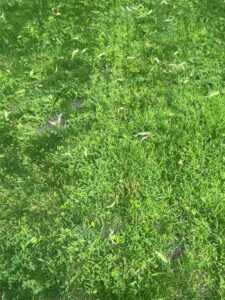 Crabgrass is an aggressive weed with a spreading growth habit.
As it expands, it takes water and nutrients away from the surrounding grass. It also covers open soil and occupies areas where healthy turf could be growing.
Thin lawns are especially vulnerable because crabgrass seeds receive more sunlight and have less competition.
A thick lawn creates its own natural defense. Dense grass shades the soil, keeps it cooler, and leaves less room for weeds to become established.
This is why crabgrass control should not be viewed as a single application. The long-term goal should be to improve the overall thickness and health of the lawn.
What Is Different About Professional Crabgrass Control?
Professional crabgrass control combines professional-grade products with proper application timing.
Timing is especially important. Preventative crabgrass control needs to be applied before most crabgrass seeds begin germinating.
Applying too early, too late, or unevenly can reduce the level of protection. Professionals also consider current weather conditions, soil temperatures, the condition of the lawn, and the amount of crabgrass pressure on the property.
Store-bought products may still provide some control when they are selected and applied correctly. However, homeowners must carefully follow the label, calculate the proper application rate, and apply the product evenly.
Professional treatment helps remove some of that guesswork.
Why Might Crabgrass Still Appear After Treatment?
Even with a preventative treatment, some crabgrass may still appear.
Soil disturbance is one of the biggest factors. Digging, construction, aggressive raking, animal activity, or other disruptions can break the protective barrier and expose crabgrass seeds to water and sunlight.
Mowing too low can also create favorable growing conditions for weeds. Short grass allows more sunlight to reach the soil and causes the soil to become warmer.
Drought is another major concern. When desirable grass becomes dry, thin, and stressed, crabgrass may have a greater opportunity to spread.
Seeing a small amount of crabgrass does not necessarily mean the preventative treatment failed. It may indicate that environmental conditions or lawn maintenance practices created an opening for the weed.
How Can Homeowners Help Prevent Crabgrass?
Crabgrass control works best when homeowners also help maintain a thick and healthy lawn.
We generally recommend mowing the lawn between 3.5 and 4 inches tall. Taller grass helps shade the soil, maintain cooler soil temperatures, and compete with weeds.
Keeping the lawn slightly taller can also help it handle heat and other summer stresses.
Watering should be deep rather than frequent and shallow. In many situations, watering thoroughly approximately twice per week encourages deeper root growth and helps the lawn become more resilient.
Homeowners should also avoid unnecessary soil disturbance after a pre-emergent treatment and address compacted or thin areas when appropriate.
Is Crabgrass Control Worth It?
Crabgrass control is important because crabgrass is much more than an unattractive weed.
It can spread quickly, compete with healthy grass, produce hundreds of seeds, and leave behind bare areas when it dies. When it becomes severe, repairing the damage may require seeding or other corrective services.
Preventative treatment greatly reduces crabgrass pressure, but the best results come from combining treatment with proper mowing, watering, and overall lawn care.
The goal is not simply to eliminate individual crabgrass plants. It is to create a thick, healthy lawn that gives crabgrass fewer opportunities to grow.