By the end of summer, lawns throughout Franklin, Wisconsin can look very different than they did in spring. Heat stress, drought conditions, disease, and chinch bug damage can leave behind thin areas and bare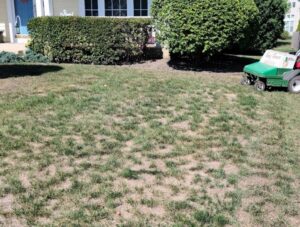 patches that don’t always recover on their own.
That is one of the reasons we recommend fall as the ideal time to seed many lawns in Franklin.
Fall gives new grass a combination that is difficult to match during other parts of the year: warm soil, cooler air temperatures, more natural precipitation, and less competition from weeds. It gives new grass an opportunity to establish without immediately having to survive the most stressful months of the Wisconsin growing season.
Why Fall Conditions Are So Good for Grass Seed
Successful seeding isn’t just about putting seed down. The conditions surrounding that seed make a huge difference.
During fall in Franklin, the soil is still warm from summer while nighttime temperatures begin to cool down. That combination creates excellent conditions for germination and early root development.
 We also tend to receive more precipitation as we move into fall. Homeowners still need to water newly seeded areas, but new grass isn’t being asked to establish while battling the intense heat and drying conditions we can experience during summer.
There is another major advantage: less competition from weeds.
Spring may seem like an obvious time to seed because everything is beginning to grow again, but spring is also when lawns need protection from crabgrass and other annual weeds. Crabgrass pre-emergent products are designed to prevent seeds from successfully germinating, which can complicate spring lawn seeding.
Fall allows us to focus on establishing new turf without that same concern.
Summer Damage Often Becomes Obvious by Fall
Late summer is when we really begin seeing which parts of a lawn struggled during the season.
Some of the most common problems we see around Franklin include:
- Heat and drought stress
- Lawn disease
- Chinch bug damage
- Thin turf
- Bare areas caused by summer stress
A lawn may technically still be alive, but that doesn’t mean it will automatically fill back in.
Thin areas also create open space where future weeds can establish. Restoring turf density helps the lawn look better while giving desirable grass more opportunity to occupy that space.
That is why we don’t look at fall seeding as simply “adding grass seed.” It is often part of helping a lawn recover from everything it experienced during summer.
Does Every Lawn Need Power Seeding?
No. The right approach depends on the condition of the lawn.
For an established lawn that is already fairly thick and doesn’t have significant bare areas, core aeration combined with overseeding can be a great option.
Core aeration removes small plugs of soil from the lawn, helping relieve compaction while creating openings where air, water, nutrients, and grass seed can reach the soil more effectively.
However, when a lawn has extensive thinning, drought damage, or larger bare areas, we are much more likely to recommend power seeding.
Power seeding creates better seed-to-soil contact instead of simply broadcasting seed over the surface.
That difference matters.
Why Seed-to-Soil Contact Makes Such a Big Difference
One of the biggest mistakes we see is homeowners simply throwing grass seed over an existing lawn and hoping it grows.
Unfortunately, a lot can happen to seed sitting on top of the soil.
It can wash away during rain or watering. It may sit on top of compacted soil where it struggles to establish. Some seed never reaches the soil at all.
Without soil disturbance, the germination rate from basic overseeding can be very low.
Power seeding mechanically introduces seed into the soil, creating much better conditions for germination. With proper watering and care, our power seeding process has a 90% germination rate.
That doesn’t mean every blade of grass appears overnight. Some seed establishes during the fall, while additional growth and filling in can continue the following spring.
Starting with strong seed-to-soil contact gives the lawn a much better opportunity for success.
Sometimes Aeration and Power Seeding Work Better Together
For heavily compacted lawns, we may recommend core aeration before power seeding.
Compacted soil makes it harder for water, air, and nutrients to move through the soil profile. It also makes it more difficult for new roots to develop.
Core aeration helps open the soil first. Power seeding can then introduce grass seed into those improved growing conditions.
The goal isn’t simply to put more seed on the property. The goal is to create an environment where that seed can actually thrive.
What Kind of Lawn Is a Good Candidate for Fall Seeding?
Sunny lawns are often excellent candidates because shade isn’t limiting the amount of light reaching new grass.
The condition of the existing turf is equally important.
If the lawn is established with no major bare spots, we may recommend aeration and overseeding to improve density.
If there are larger bare areas or extensive damage, power seeding usually makes more sense because we need stronger seed-to-soil contact and more aggressive establishment.
Every lawn is a little different, which is why we prefer looking at what actually caused the thinning before deciding which service is appropriate.
A Franklin Lawn Can Change Quickly Under the Right Conditions
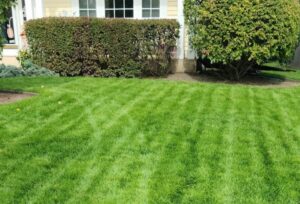
We’ve seen lawns come out of summer looking thin and sparse after drought stress and change dramatically after power seeding.
With the right fall conditions and proper care, new grass can begin filling damaged areas within just a few weeks.
That is one of the biggest reasons we encourage homeowners not to assume a stressed lawn is permanently damaged.
Sometimes the lawn simply needs help recovering.
Fall gives us one of the best windows of the year to provide that help.Two Common Fall Seeding Mistakes
Two of the most common mistakes homeowners make are seeding too early and not watering enough.
Putting seed down while temperatures are still extremely hot can make establishment much more difficult.
Once the seed is applied, watering is also critical. Even the best seeding equipment can’t compensate for seed that is allowed to completely dry out during germination.
Timing and aftercare work together.
How to Care for Your Lawn After Fall Seeding
Once your lawn has been seeded, a few simple steps can make a major difference.
Water immediately. Watering helps settle the seed into the soil and begins the germination process.
Keep the soil consistently moist. Newly germinating grass has very shallow roots and can dry out quickly.
Keep leaves and debris off the lawn. A heavy layer of leaves can block sunlight and smother young seedlings.
Limit foot traffic. Give new grass time to establish before putting unnecessary stress on it.
Proper aftercare is an important part of achieving the best possible germination and long-term results.
Should You Seed This Fall or Wait Until Spring?
For most Franklin lawns that need repair or additional density, we would rather take advantage of fall than wait until spring.
Fall gives new grass time to establish without immediately competing with heavy weed pressure or having to survive the hottest months of summer.
Spring seeding can certainly have its place, but it also creates additional challenges, particularly when crabgrass prevention is part of the lawn care program.
If your lawn has thin areas, bare patches, or damage from this summer, fall provides an opportunity to address those problems before another growing season begins.
Give Your Lawn a Stronger Start Before Winter
A thin lawn usually doesn’t improve simply because the calendar changes.
If heat stress, drought, disease, chinch bugs, or other summer conditions have left your Franklin lawn looking sparse, fall is one of the best opportunities to help it recover.
Whether your lawn needs core aeration and overseeding or a more extensive power seeding, choosing the right method and timing it correctly can make a dramatic difference.
The work you put into your lawn this fall can help create a thicker, healthier lawn next spring, with stronger roots and greener grass.
